Lucrecia Laudi, Assoc. AIA
Lucrecia Laudi is an architect and urban designer whose practice is grounded in a conviction formed early in her training: that design can advance dignity, inclusion, and the fundamental right to the city.
She received her Diploma in Architecture from the Universidad Nacional de Rosario in Argentina and continued her studies at the University of Pennsylvania, earning master’s degrees in Architecture and City Planning, with certificates in Urban Design and Appropriate Technologies for Development. Her graduate work included design and field research in India and Italy.
In Barcelona, she practiced at Ricardo Bofill Taller de Arquitectura during the city’s period of democratic transition and urban transformation, contributing to master planning, urban-design, and public-realm projects in Spain and France.
Returning to the United States, she served as a senior designer on large-scale national and international commissions at Leo A Daly and HOK in Washington, DC. In 2005, she joined Julian Hunt as partner at Hunt Laudi Studio, an interdisciplinary practice working across architecture, urbanism, and civic engagement.
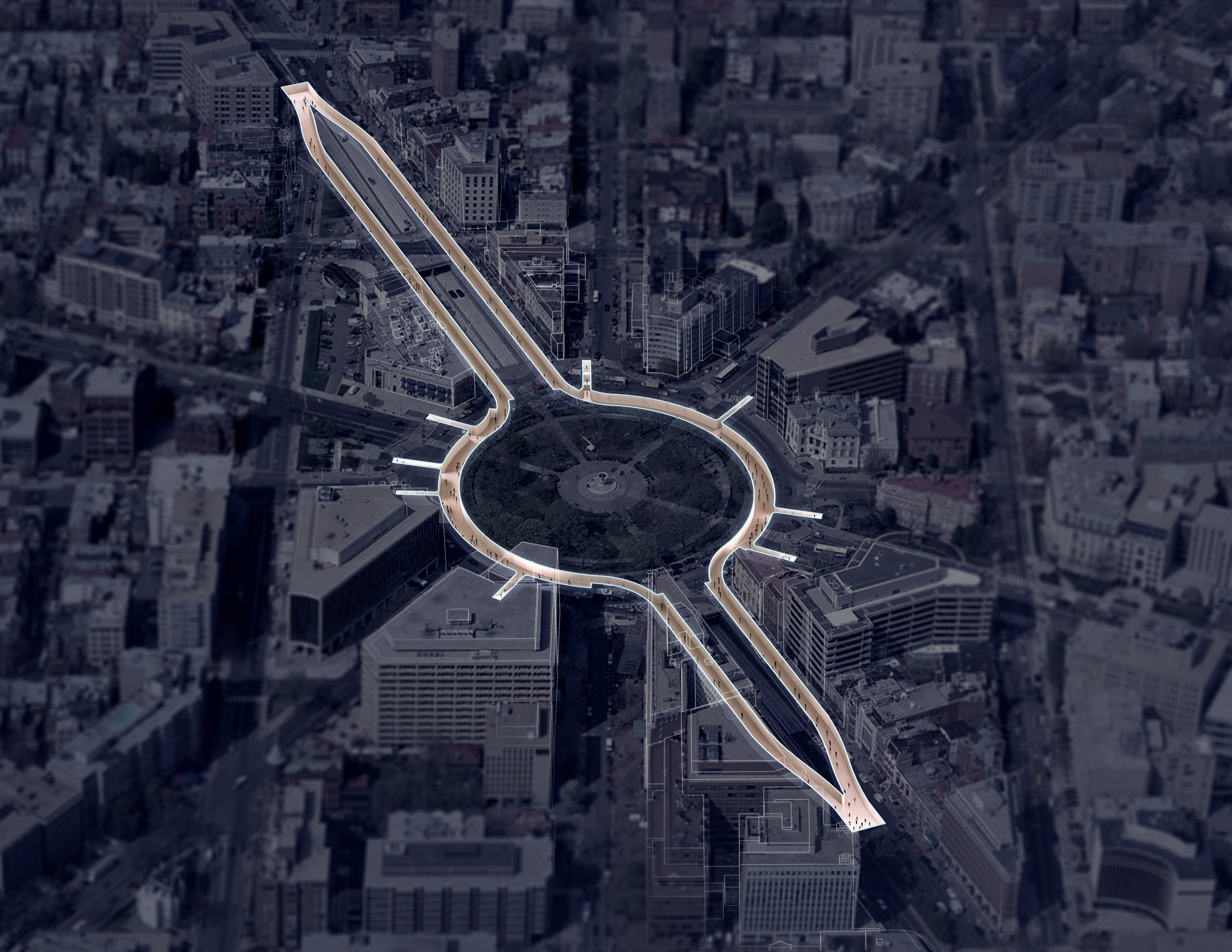
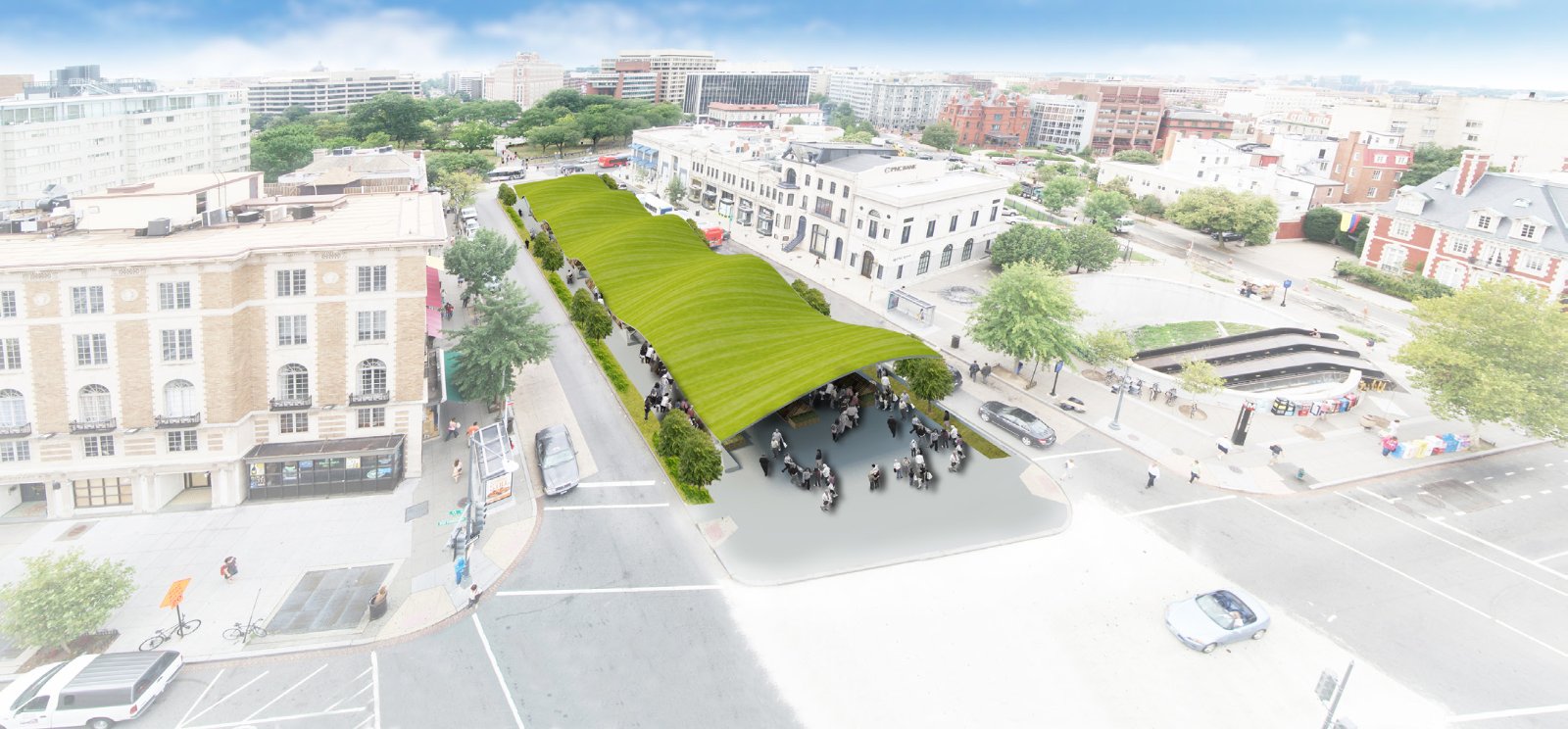
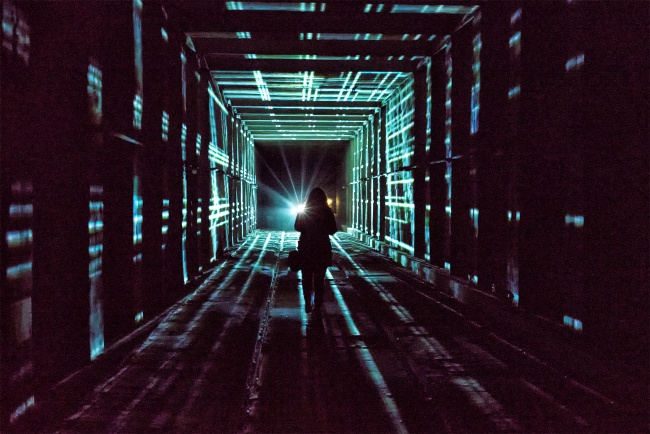
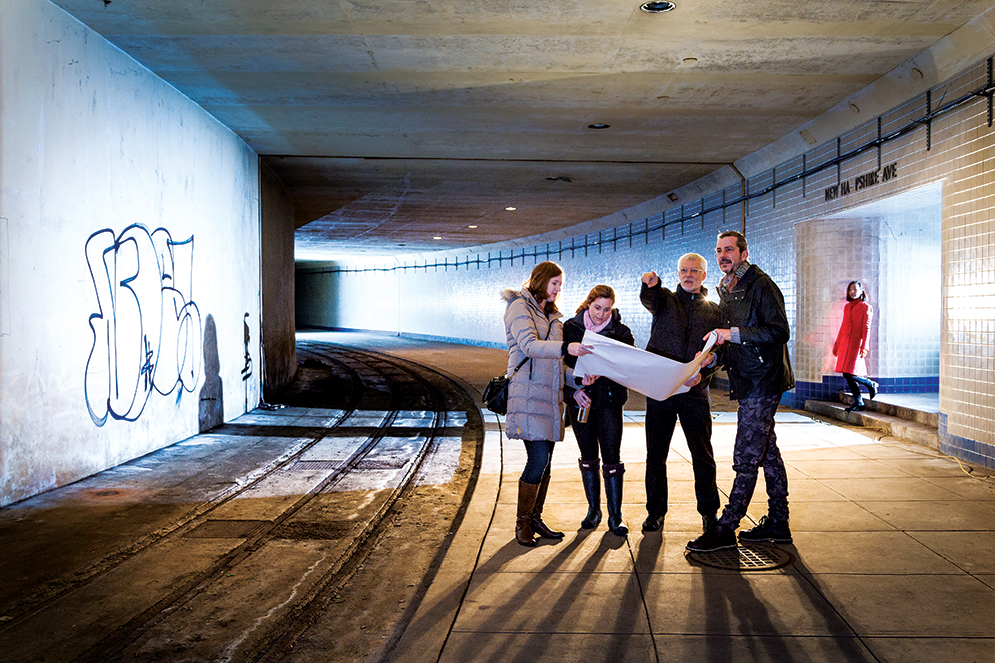
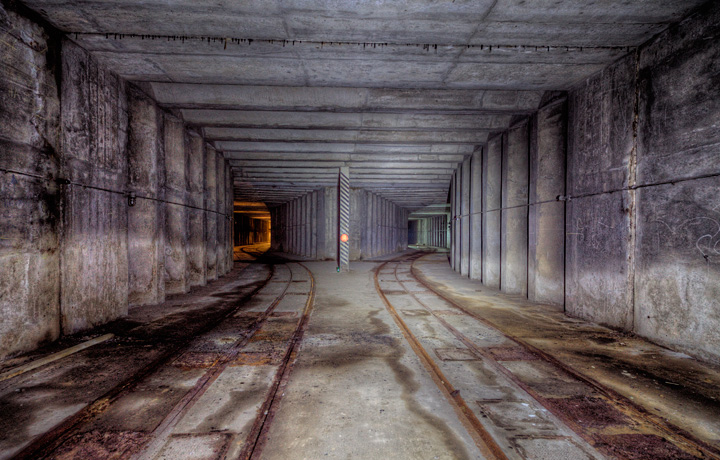
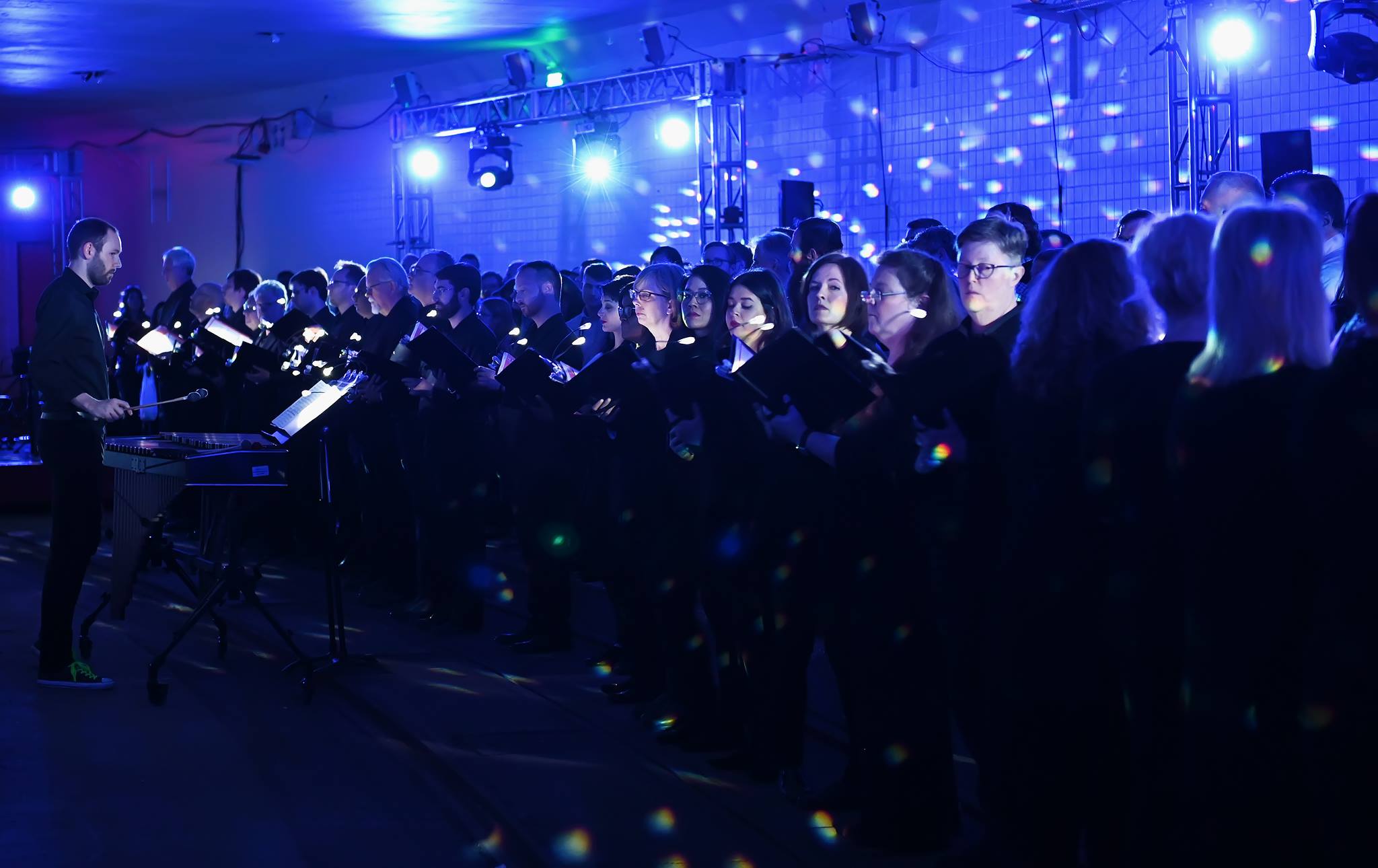
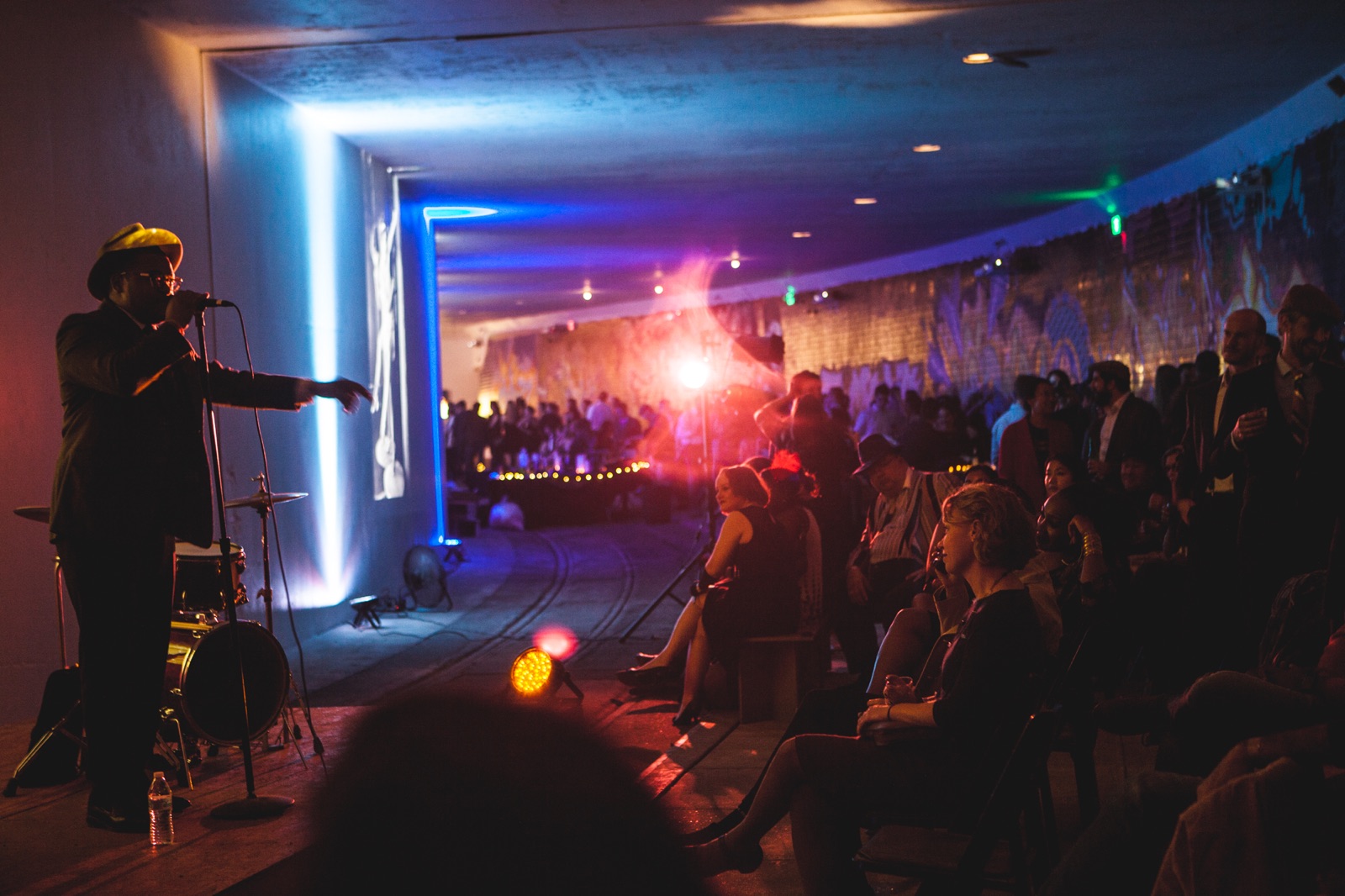
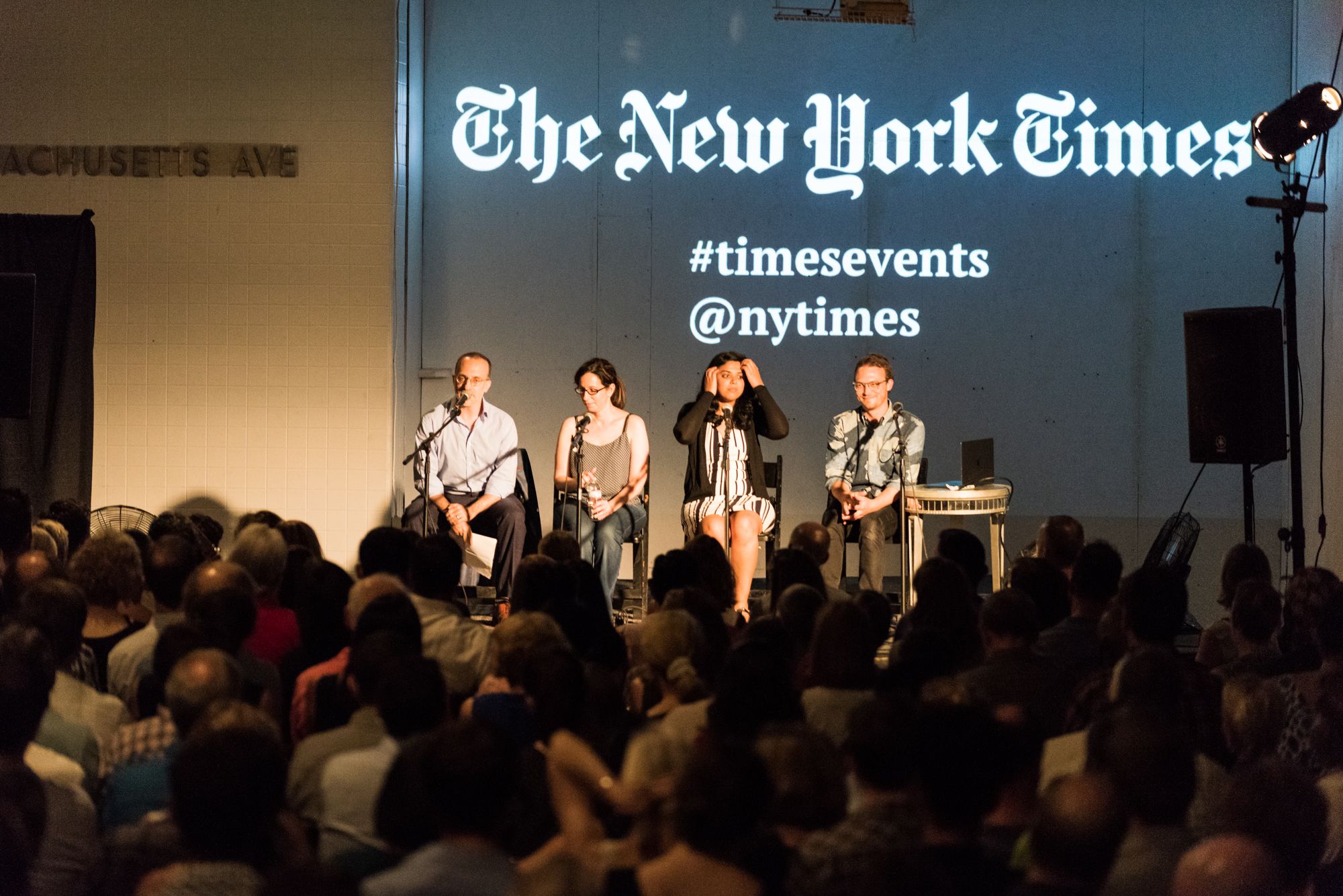
She is a co-founder of Dupont Underground, a nonprofit cultural platform at the intersection of art, architecture, and public space, a case of adaptive reuse of an abandoned streetcar station beneath Dupont Circle. She has served the organization as Board Member, Board Chair, and Advisory Board Member, shaping its programming and cultivating a network of local and international collaborators. She curated two of the four exhibitions in its series Architecture and the Question of Democracy: Common Ground, Common Future: Reimagining the Heart of the District and Miró and Sert: Art, Architecture and Resistance. She also serves on the Design Committee of Historic Dupont Circle Main Streets.
Julian Hunt, Registered Architect
Born in Connecticut, thirty miles from New Haven, where the first Hunt landed as an indentured servant in 1639, Julian studied architecture at Rice University and the University of Virginia. On completing his Master's, he went to work in Barcelona, where he met Lucrecia Laudi and witnessed the critical role architects played in the formation of municipal democratic institutions after forty years of dictatorship. As lead designer at Ricardo Bofill's Taller de Arquitectura his work included the urban expansion of Andorra and a new municipal park in Vigo, Spain, transforming an industrial wasteland. He was joint winner of the Thyssen Architecture Prize for a new urban plaza in the Barrio Gótico of Barcelona, wrote architectural criticism for Metropolis, Design Book Review, and Arquitectura Viva, and was the playwright of Iconópolis at the Festival Grec. The ten years were formative.
Returning to the United States in 1995, he worked on the urban area around the Cheung Kong Centre in Hong Kong and a re-conceptualization of Ezeiza Airport in Buenos Aires, before establishing the studio in 2001. A key project was the founding of the Dupont Underground — a cultural institution in an abandoned streetcar station, conceived to expand the understanding of what architects can contribute to public life. The driving concept was a direct expression of the democratic transition in Barcelona.